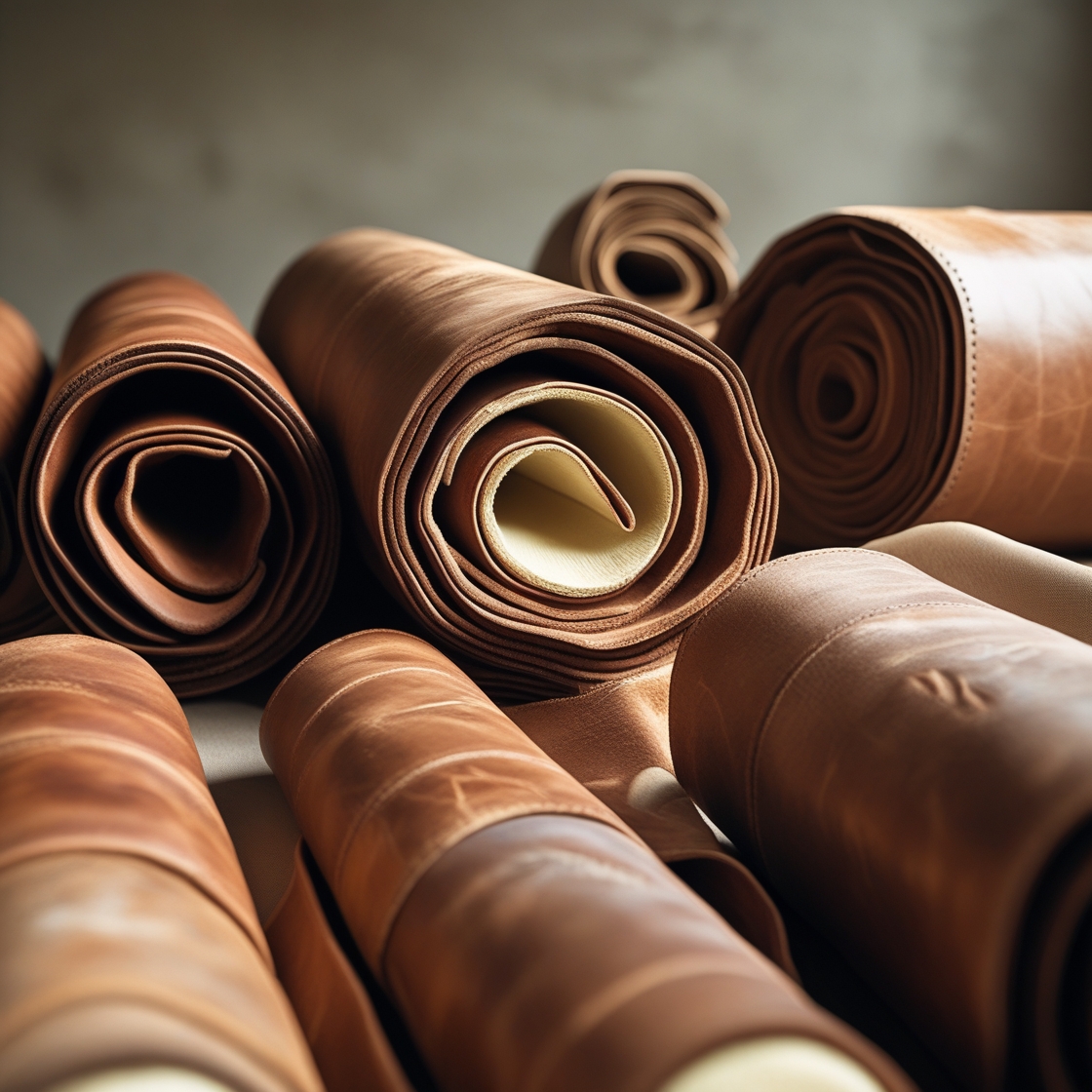
EXPlore our premium leather selection
At El Kholaky Tannery, we specialize in producing premium-quality leather that meets the demands of artisans, designers, and manufacturers worldwide. From full-grain leather to vegetable-tanned varieties, our products are crafted with the finest materials to ensure longevity and beauty.
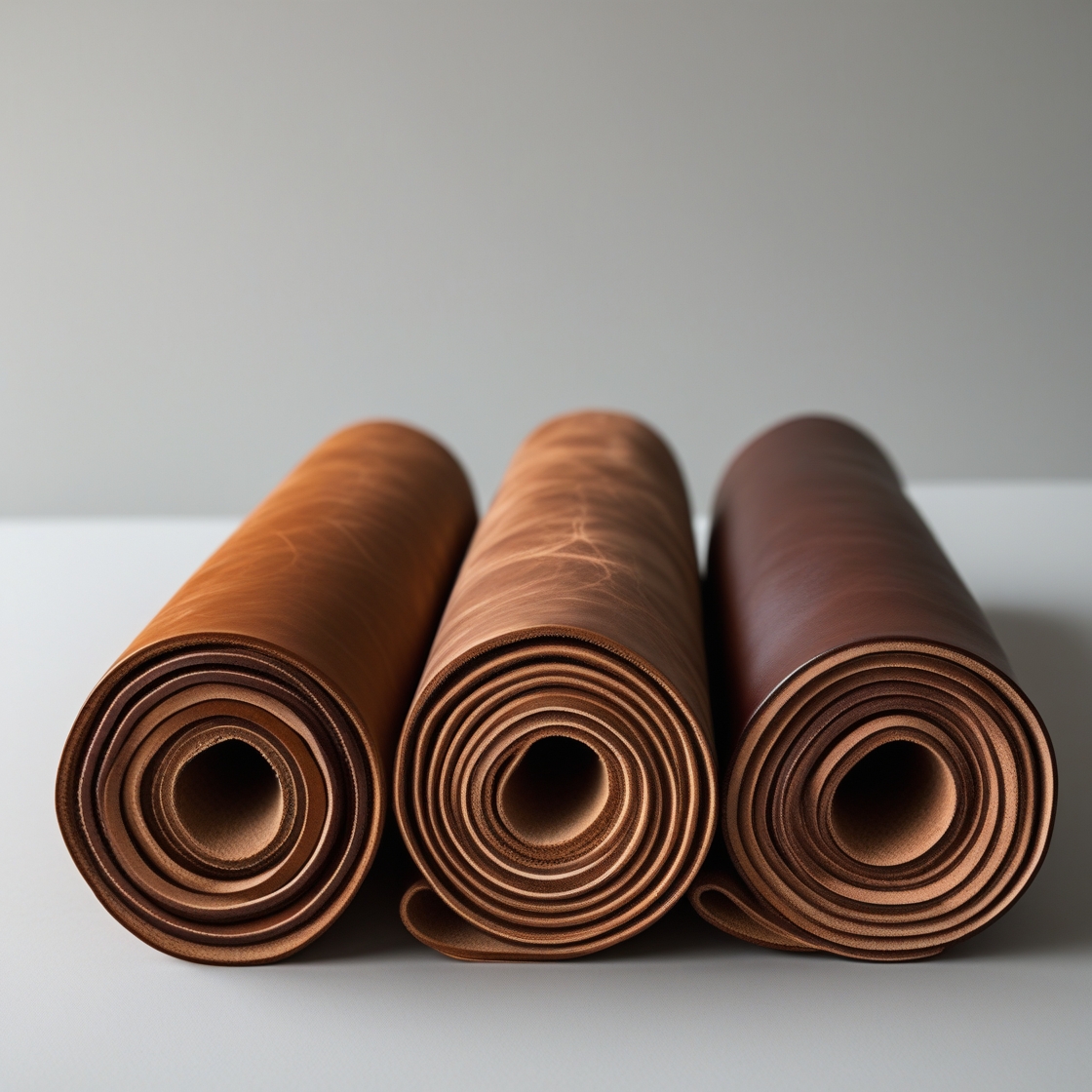
FUll grain leather
• Description: Derived from the top layer of the hide, full grain leather retains the natural grain and imperfections, offering maximum strength and durability.
• Thickness: Typically ranges from 3 to 4 ounces (1.2 to 1.6 mm).
• Colors: Often available in natural hues; can be dyed in various colors while preserving the natural grain.
• Common Uses: High-quality furniture, premium footwear, and luxury handbags.
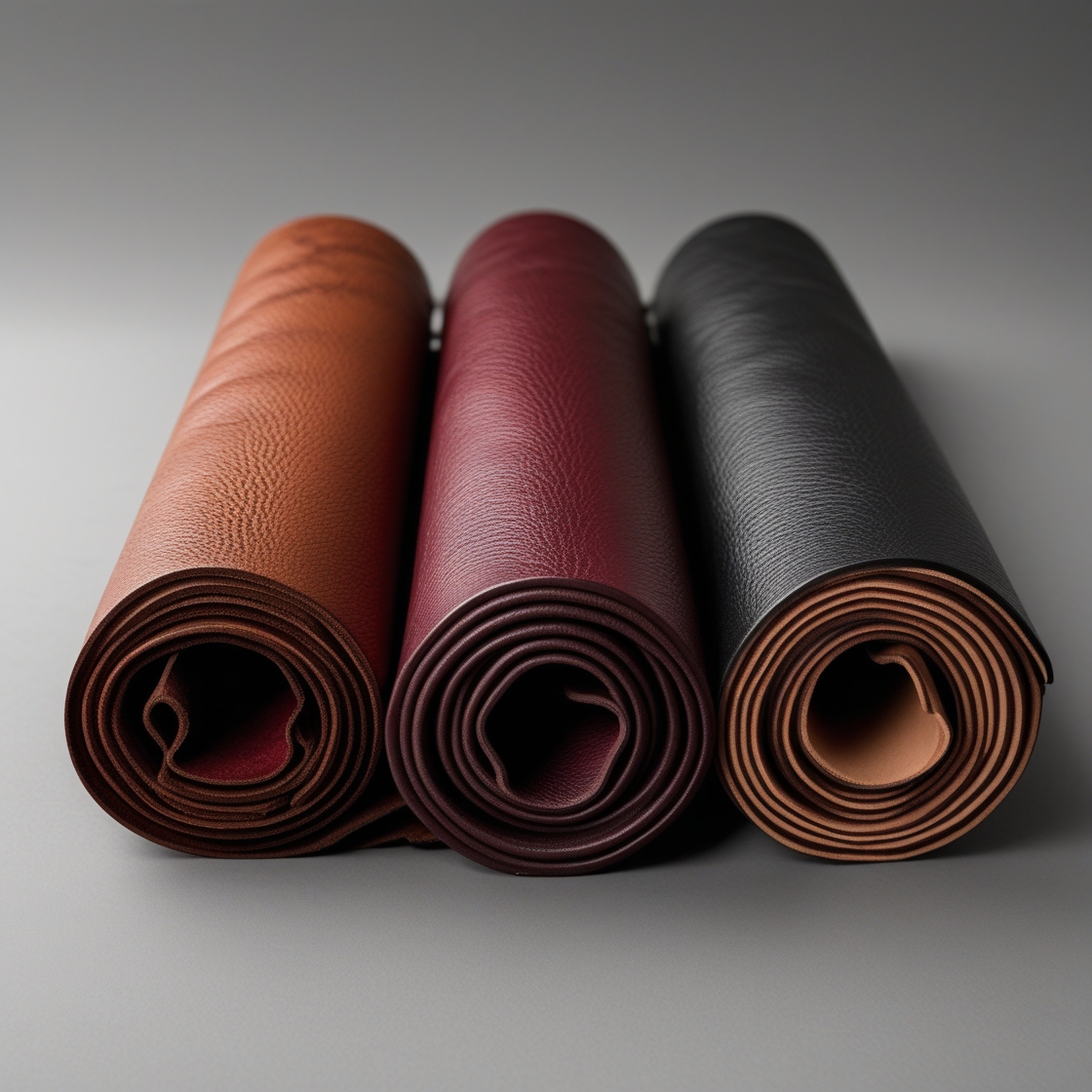
top grain leather
• Description: Slightly sanded and refinished to remove imperfections, top grain leather is more pliable and stain-resistant than full grain leather.
• Thickness: Generally between 2 to 3 ounces (0.8 to 1.2 mm).
• Colors: Available in a wide range of dyed colors due to its refinishing process.
• Common Uses: High-end leather goods, such as handbags and wallets.
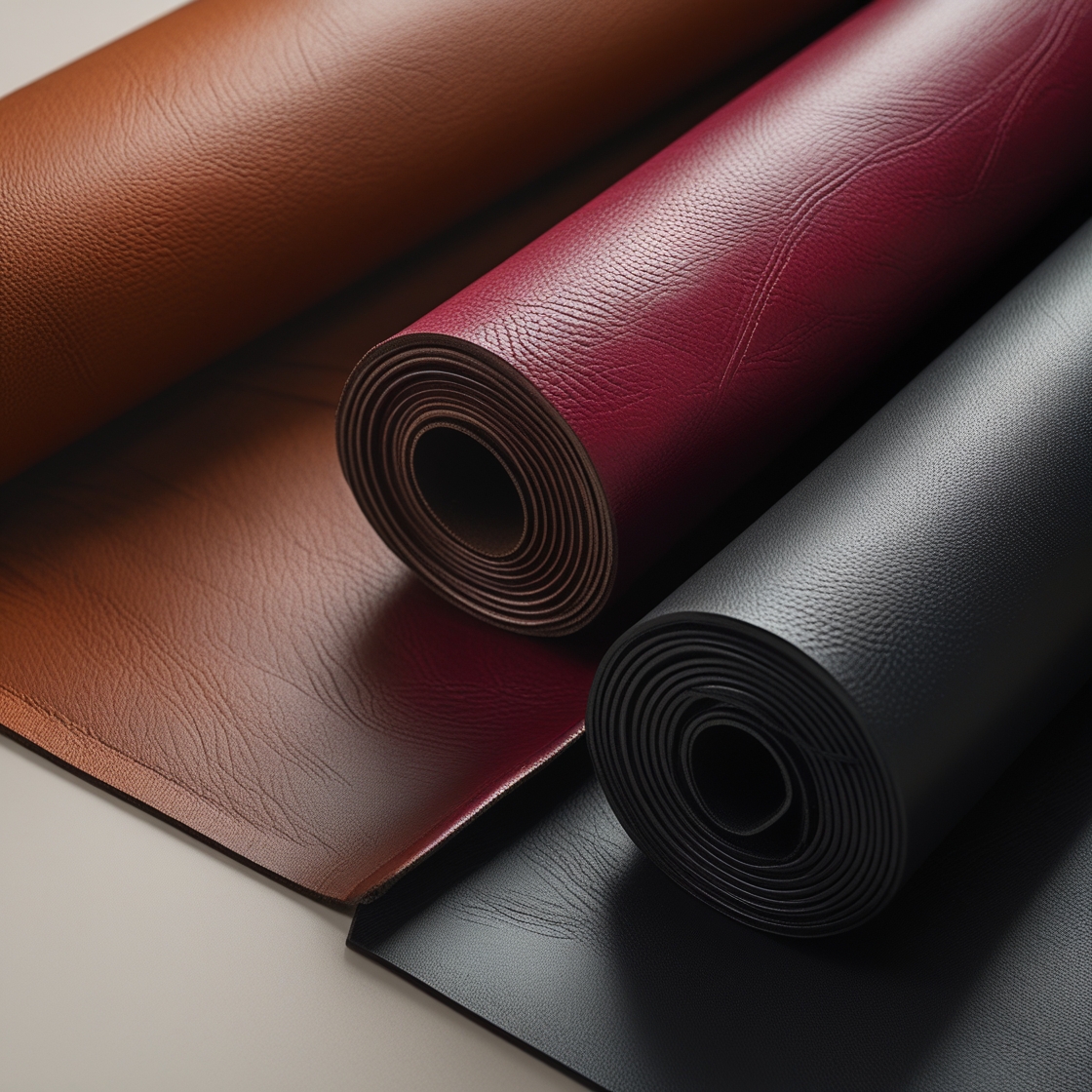
GENUINE leather
• Description: Also known as corrected grain leather, this type is produced from the layers beneath the top grain and is often embossed to mimic higher-quality grains.
• Thickness: Varies, typically around 3 to 4 ounces (1.2 to 1.6 mm).
• Colors: Available in various dyed colors.
• Common Uses: Belts, shoes, and other fashion accessories.
Suede
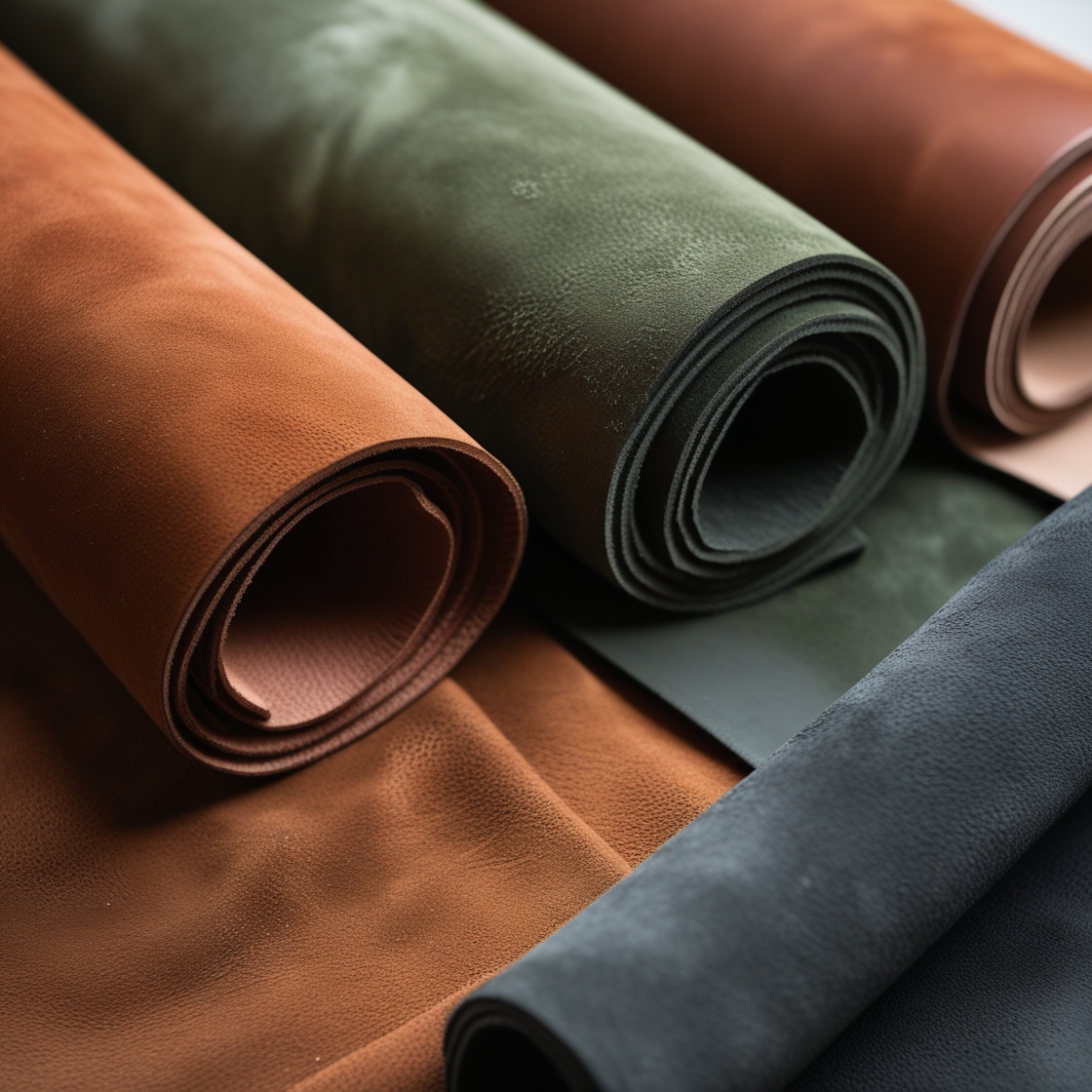
• Description: Made from the underside of the animal hide, suede has a soft, napped finish.
• Thickness: Generally between 1 to 2 ounces (0.4 to 0.8 mm).
• Colors: Available in a variety of dyed colors.
• Common Uses: Footwear, jackets, and fashion accessories.
NUBUCK
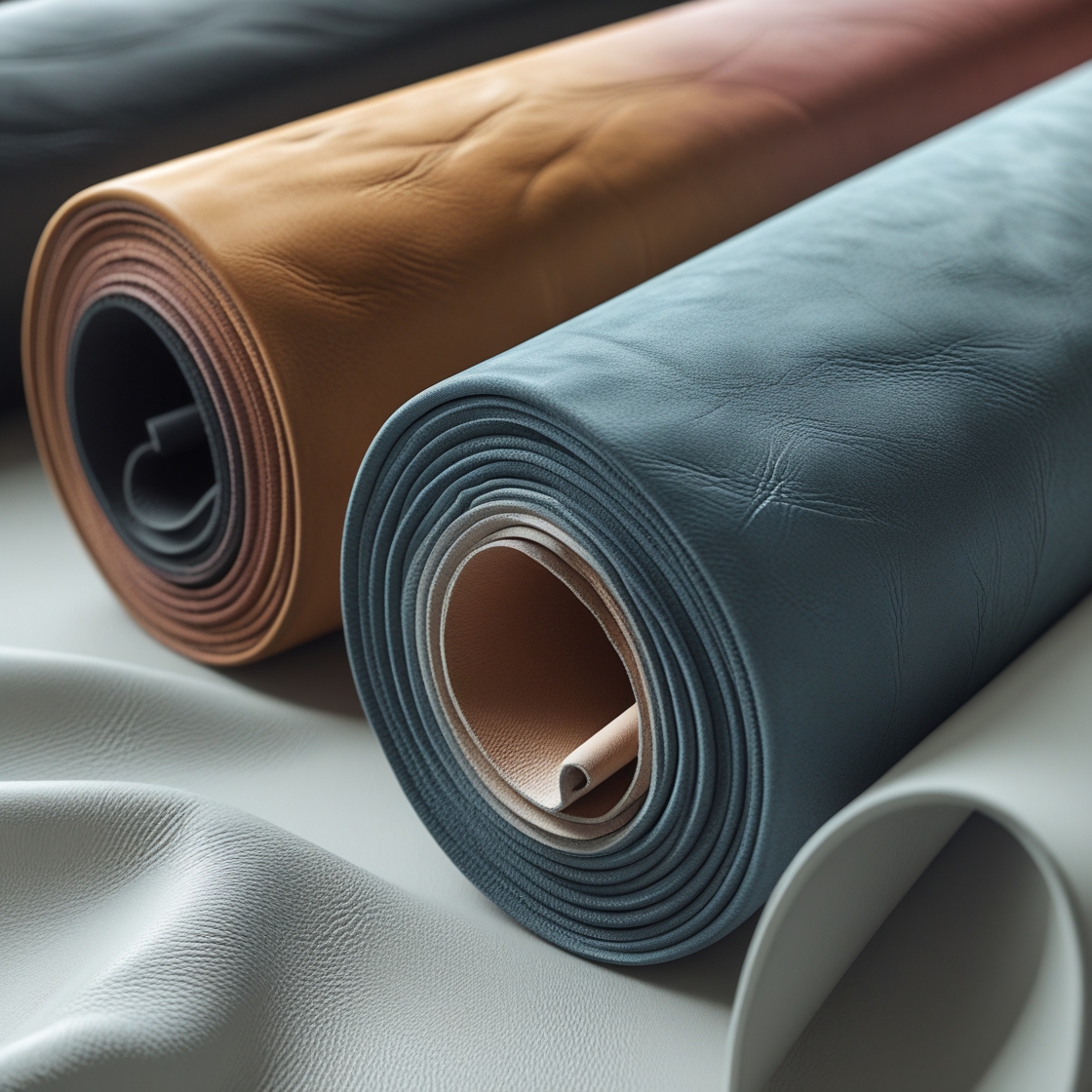
• Description: Similar to suede but made from the outer side of the hide, nubuck is sanded to create a soft, velvety surface.
• Thickness: Typically around 2 to 3 ounces (0.8 to 1.2 mm).
• Colors: Available in various dyed colors.
• Common Uses: High-end footwear and accessories.
vegetable-tanned leather
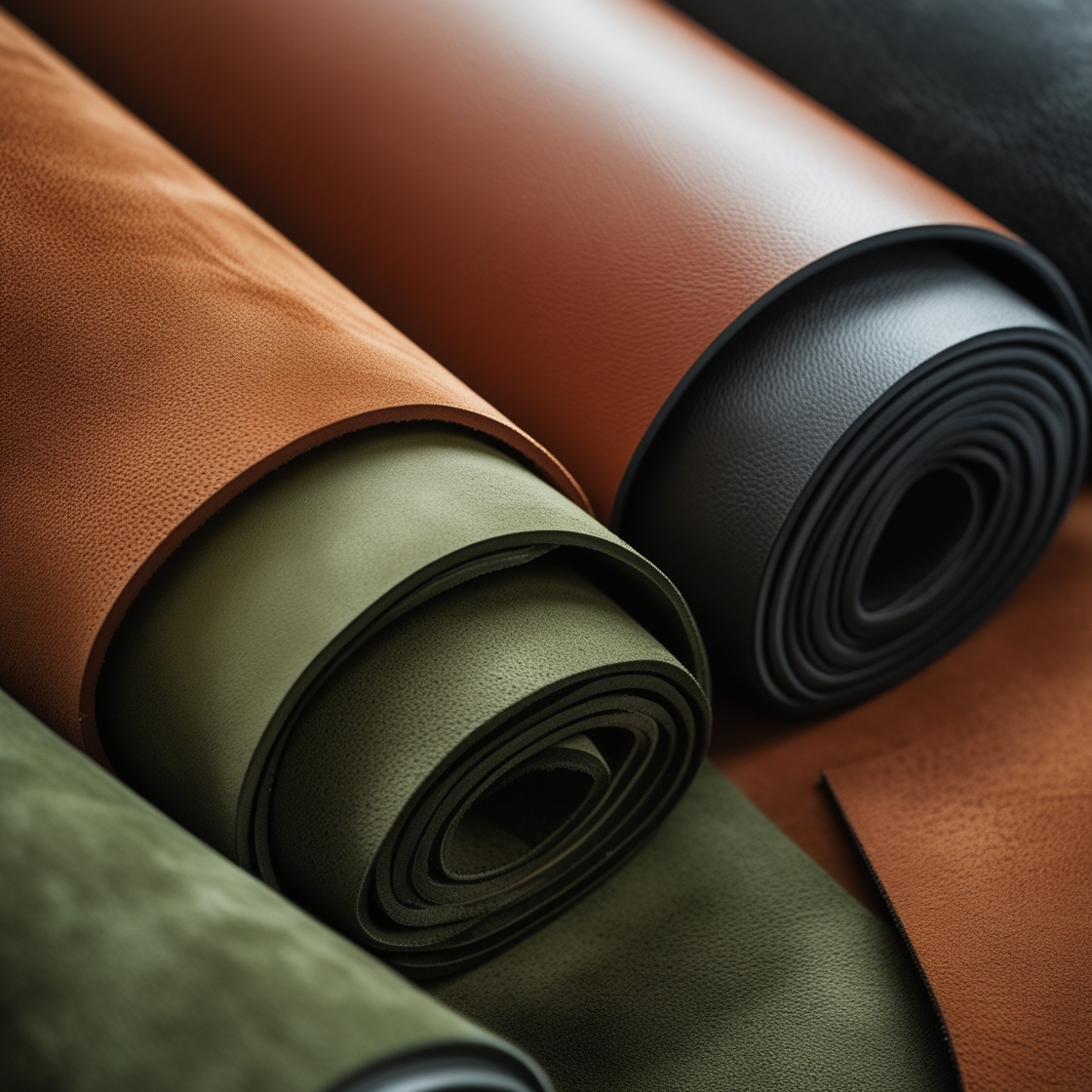
• Description: Tanned using natural tannins from plants, this leather develops a patina over time.
• Thickness: Varies; commonly between 4 to 5 ounces (1.6 to 2.0 mm).
• Colors: Natural tan to brown shades; can be dyed.
• Common Uses: Belts, wallets, and leather goods requiring molding or stamping.
chrome-tanned leather
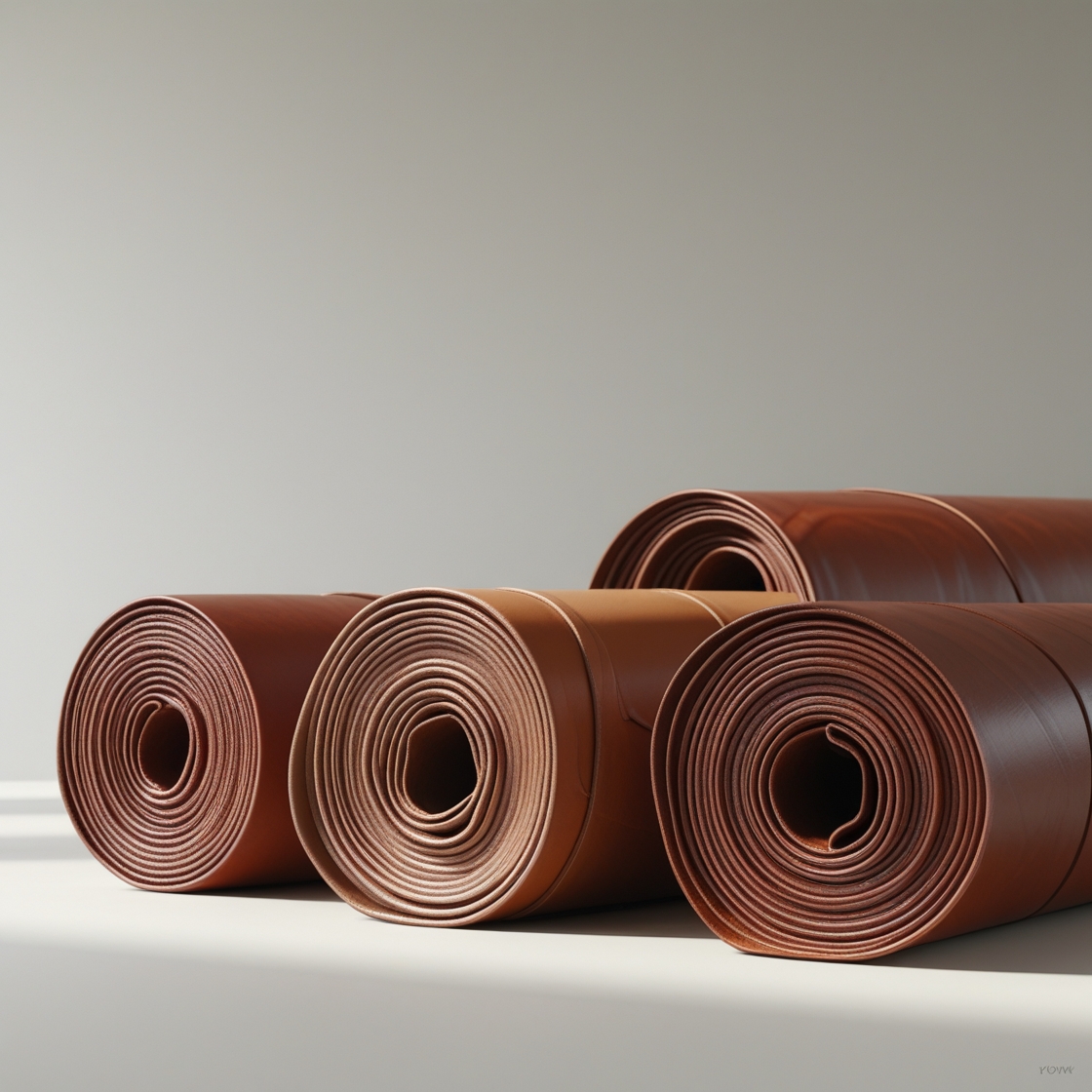
• Description: Tanned using chromium salts, this leather is more supple and pliable compared to vegetable-tanned leather.
• Thickness: Varies; commonly between 3 to 4 ounces (1.2 to 1.6 mm).
• Colors: Available in a wide range of vibrant colors.
• Common Uses: Garments, handbags, and upholstery.

patent leather
• Description: Coated with a high-gloss finish, patent leather has a shiny, reflective surface.
• Thickness: Typically around 2 to 3 ounces (0.8 to 1.2 mm).
• Colors: Available in various colors, often in bold and vibrant shades.
• Common Uses: Formal shoes, handbags, and fashion accessories.
 El kholaky tannery